Subtotal £0.00

A fantasy world without a fantasy map feels like a story without direction. When readers or players see a map, they can feel the world come alive in their minds. A map is more than decoration; it is a guide that turns imagination into something real. It helps storytellers and Game Masters keep track of geography, history, and relationships between places. When your heroes travel from one kingdom to another, a map makes the journey believable. It also allows you to stay consistent while writing or running a campaign. Each river, forest, and border you draw gives weight to your world. Many famous stories, from The Lord of the Rings to Game of Thrones, became iconic because of their maps. A map sets the tone and gives readers and players a sense of scale and adventure before a single word of the story begins.
Start with a Simple Idea
Every map begins with a spark of imagination. You do not need to be an artist or have fancy tools to start. The most important step is deciding what kind of world you want to create. Is your story set on a large continent full of kingdoms, or on a small island filled with mystery? Are there endless oceans, frozen mountains, or floating cities in the clouds? Think about how people live there, what they believe in, and what natural features shape their lives. Once you have an idea, sketch a simple outline on paper or a digital drawing tool. Do not worry about perfection. It is fine if your lines are rough or uneven. The first version of your map is only the beginning of discovery. As your world grows and changes, you can always come back and refine it later.
Shape the Land and the Water
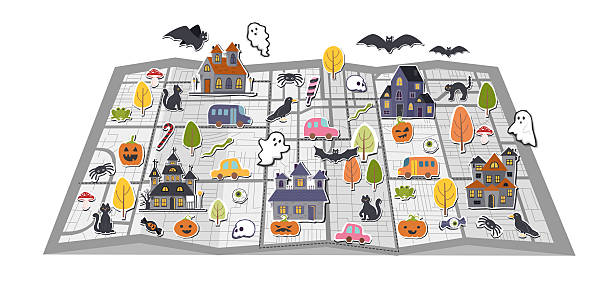
Now it is time to give your world a physical form. Start by shaping the continents, islands, or regions. Use soft, uneven lines for coastlines since real landscapes are rarely straight or smooth. Imagine where the sea meets the land, where mountains rise, and where plains stretch far into the distance. Think about how natural elements interact. For example, large mountain ranges often form near the edges of continents, while rivers flow down from those high peaks toward oceans or lakes. The way you shape the land can affect how civilizations grow. Harsh deserts may separate cultures, while rivers bring people together through trade and travel. By paying attention to these natural details, you make your map believable.
Add Mountains, Rivers, and Forests
This is where your map starts to feel alive. Begin by adding mountains since they shape the rest of the geography. Mountains influence where rivers start, where forests grow, and where people build towns. Draw ranges with purpose, imagining what lies beyond them. Then, sketch rivers flowing from the mountains down to lakes or seas. Let them twist and bend naturally. Next, add forests where rain would likely fall and deserts where dry winds blow. These features make your map more realistic and give your story direction. A hidden valley could be home to a lost civilization, while a dark forest might guard an ancient secret. Natural features also influence trade, politics, and war in your world. When you design them carefully, you create endless story ideas. Nature becomes more than background, it becomes a character of its own, shaping how your heroes explore and survive in the world you built.
Place Your Cities and Kingdoms
After shaping your land, it is time to bring civilization into your world. Start by thinking about how people would live in this environment. Villages usually appear near rivers or fertile plains where farming is easy. Larger cities grow where trade routes cross or near harbors with access to the sea. Strategic locations like hills or cliffs are perfect for castles and fortresses. Each kingdom or region should have a reason to exist. A desert empire might thrive on rare minerals, while a coastal realm may control trade and fishing routes. Give each place a personality through its name, culture, and landmarks. You can even connect these kingdoms through alliances or rivalries.
Create Meaningful Landmarks
A great map always has places that make readers pause and imagine stories behind them. Landmarks bring character and wonder to your world. Think about ancient ruins, magical lakes, hidden temples, or cursed volcanoes. These special spots make your world feel full of mystery and adventure. Each landmark should have a story of its own, why it exists, who built it, and what secrets it hides. They can serve as important settings for quests or turning points in your story. For example, an abandoned fortress could be the site of a lost battle, while a crystal cave might hold the key to an ancient prophecy. These details are what make a world memorable. As you add them, remember to balance realism with creativity.
Build a Sense of Distance and Scale
When creating your map, think about how far things are from one another. Distance and size help your world feel real. If two cities are next to each other, trade and culture will likely mix. If they are far apart, different languages and traditions will form. Use a simple scale on your map to show how long it takes to travel between places. It also helps you plan your story’s timeline. A journey that takes days feels different from one that takes months. Geography can also create natural barriers that shape how people interact. Mountains can divide kingdoms, while long rivers connect them. A sense of distance helps you write believable journeys and makes players feel the effort of travel during an RPG session. When done right, your map will make your audience feel the size, history, and richness of your imagined world.
Add Names and Cultural Details
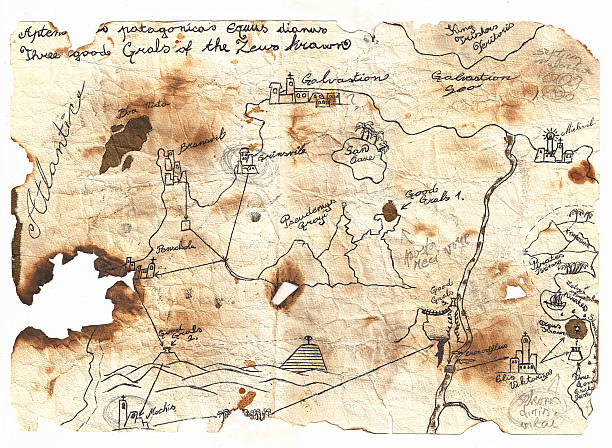
Names bring identity to your map. They make it feel personal and alive. You can draw inspiration from real languages or invent your own. Try to keep consistency in style so that names from one region sound like they belong together. Add cultural details to support these names. Maybe a cold northern land uses hard, sharp-sounding words, while a tropical island uses softer, flowing ones. You can also create short notes about local customs, rulers, or religions. These small details give depth and make your readers believe that real people live in your world. Each name should mean something, even if only to you. A mountain might be named after a forgotten hero, or a forest after a mythical creature. The more connected your names are to your story, the more authentic your world will feel. Readers will remember places not just for their beauty but for their meaning.
Use Tools and Resources Wisely
There are many ways to create your fantasy map. Some people love drawing by hand, while others prefer digital tools. Programs like Wonderdraft, Inkarnate, or simple drawing apps can help you add color, texture, and structure. Do not get lost in too many details at first. Focus on the story and geography before decoration. Once your world takes shape, you can polish it with icons, borders, and patterns. You can also look at real maps for reference. Study how rivers curve, how mountain chains flow, and how coastlines twist. Real geography can inspire fantasy creativity. The goal is not to copy but to understand how nature works so that your world feels both believable and magical.
How Summon Worlds Complements Map Making
Once your fantasy map is complete, the next step is bringing it to life through story and depth. Platforms like Summon Worlds go beyond map generation by helping creators expand their worlds with AI-powered lore, characters, and art. You can take a simple region map and transform it into a living world full of factions, myths, and cultures. This combination of visual maps and creative storytelling tools gives Game Masters and writers a complete worldbuilding experience.